
Fiber installed, spliced and terminated to standard.
Ducting, cable installation, fusion splicing and termination, built to the approved design under engineer supervision.
In short
What is fiber optic implementation?
Fiber optic implementation is the physical build of a network: laying ducts, installing cable, fusion splicing fibers, and fitting the cabinets, closures and ODFs that hold them. City Networks builds to the approved design and to international industry standards, with an engineer supervising the work and every splice recorded for testing and as-built drawings.
How it works
Four steps, each one checked before the next.
- 01
Prepare
Permits, site access and traffic arrangements are coordinated before crews arrive, and delivered materials are checked against the approved list.
- 02
Install
Ducts and cables follow the design route, with pulling tension and bend radius controlled so the fiber is not stressed during installation.
- 03
Splice & terminate
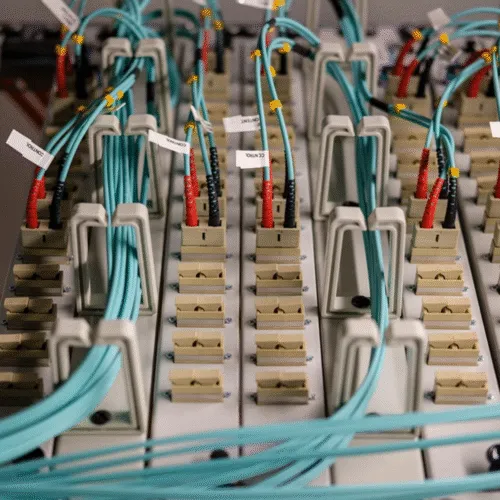
Fibers are fusion spliced and organised in trays, closures and frames. Each splice is logged so its loss can be traced later.
- 04
Record
Any change from the design is marked up on site, so the as-built drawings match what is actually in the ground.
Scope
What’s included.
Take the full scope or only the parts you need. Every item can be priced separately.
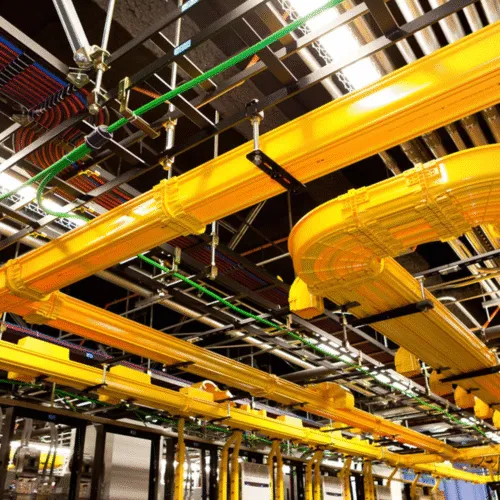
- Duct and chamber installation, including micro-trenching where approved
- Cable installation by pulling, blowing or aerial methods
- Fusion splicing, with splice records for every tray
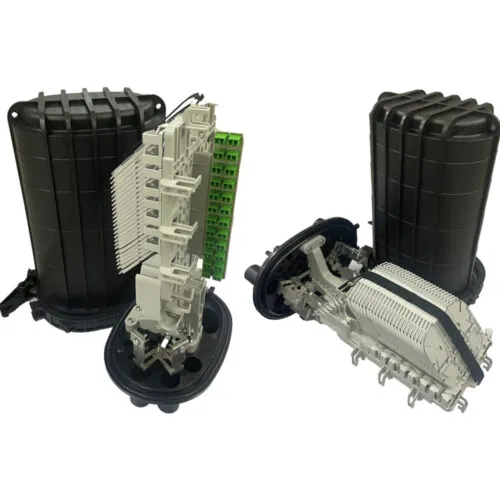
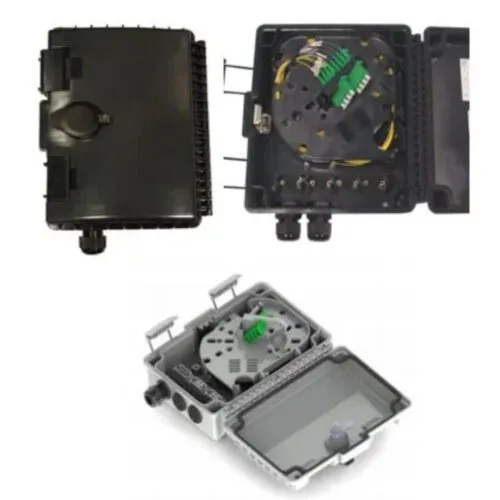
- Installation of cabinets, closures, termination boxes and ODFs
- Labelling to the project or operator scheme
- Site mark-ups for the as-built drawings
What is fusion splicing?
Fusion splicing joins two optical fibers by aligning them precisely and melting their ends together with an electric arc. It gives the lowest-loss, most permanent joint available and is the standard way to join fiber in outside plant and FTTH networks.
What is micro-trenching?
Micro-trenching cuts a narrow, shallow slot in the road or pavement to lay small ducts for fiber, instead of open-cut excavation. It is quicker and less disruptive, and is used for FTTH in Saudi cities where the municipality approves it.
Do you install fiber inside buildings as well as outside?
Yes. We install outside plant, meaning ducts, chambers, underground and aerial cable, and in-building fiber: risers, floor distribution, termination boxes and equipment-room ODFs.
Can you work as a subcontractor for splicing only?
Yes. Each of our services can be contracted on its own, including splicing and termination for a main contractor.
Request a free consultation
Need one link, or the whole chain?
Tell us about the route, the site or the system. Our engineers will come back with a clear scope and an honest price.